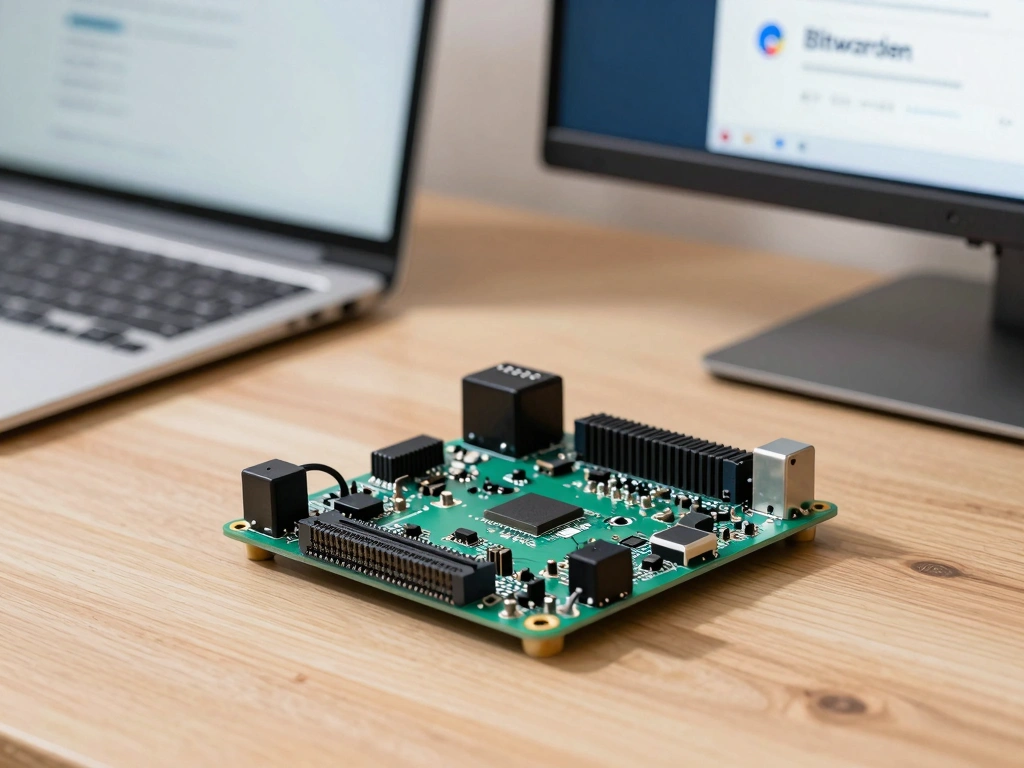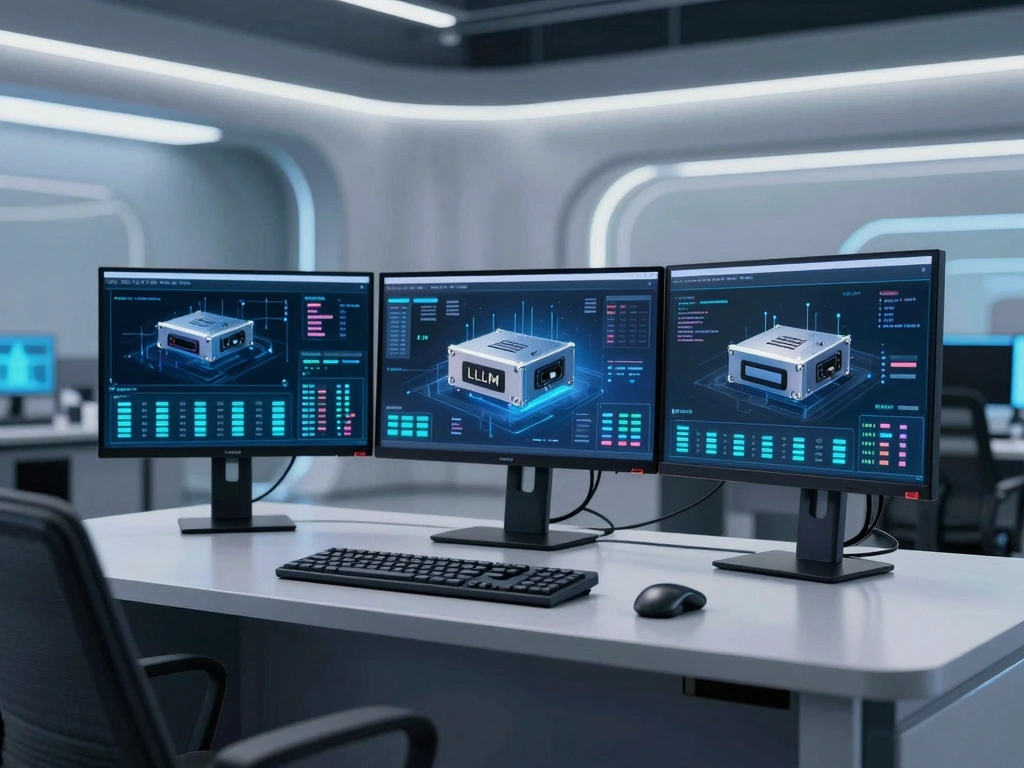
Overview of Local LLMs in 2026
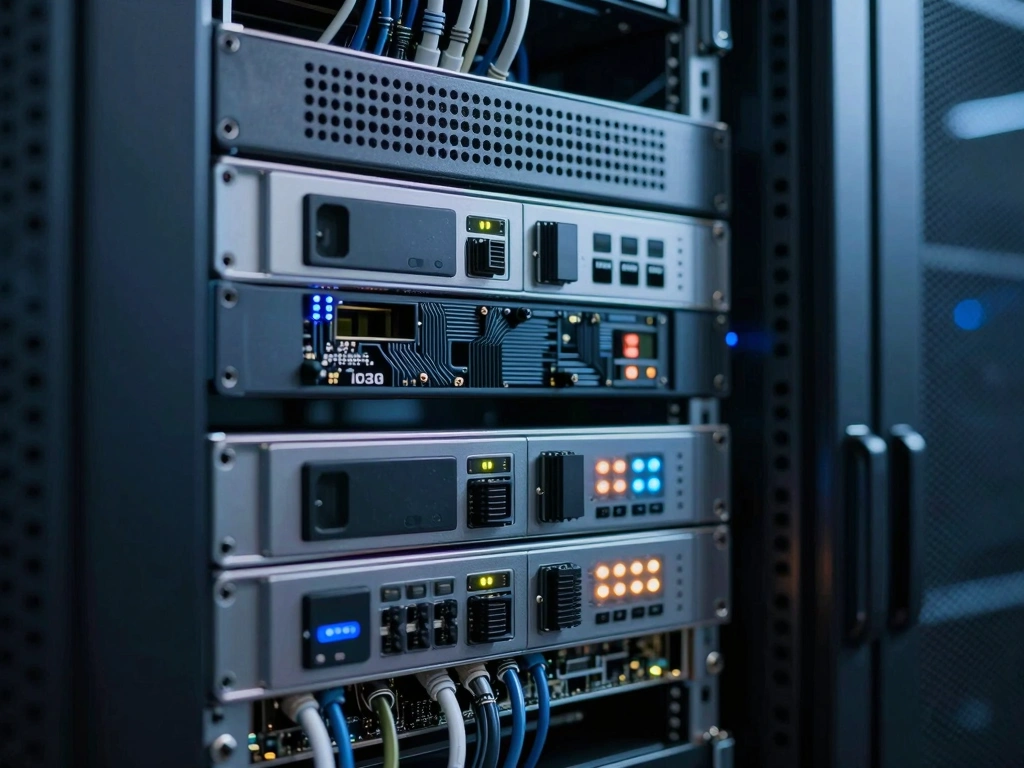
Definition and Importance of Local LLMs
Local Large Language Models (LLMs) refer to AI language models that are run directly on local hardware, rather than relying on remote servers or cloud-based solutions. By 2026, the significance of local LLMs is anticipated to grow tremendously. With data privacy concerns surging and regulatory frameworks tightening around the globe, businesses and individual users are increasingly seeking ways to maintain control over their data while leveraging the power of AI.
Local LLMs empower users to perform tasks such as content generation, customer support, and data analysis without the latency and security risks associated with remote processing. Moreover, as industries such as healthcare, finance, and legal services require stringent compliance with data protection laws, local models provide a viable solution for maintaining confidentiality and security.
Trends Influencing Local LLM Development
- Advancements in Hardware: The continuous improvement in hardware capabilities, including processors and GPUs, is paving the way for more efficient and powerful local LLMs.
- Increased Data Privacy Requirements: Stricter regulations such as GDPR and CCPA are pushing organizations to process sensitive data locally to ensure compliance.
- Growing Demand for Customization: Users are increasingly looking for tailored LLMs that can be fine-tuned for specific applications and industries, necessitating local deployments.
- Enhanced Connectivity: Improvements in local networking technologies (such as Wi-Fi 6 and 5G) are facilitating faster data transfer and processing capabilities for local LLMs.
Benefits of Running LLMs Locally
There are several compelling reasons to consider running LLMs locally:
- Data Security: By processing data on-site, businesses mitigate the risks associated with data breaches and unauthorized access.
- Reduced Latency: Local processing significantly speeds up response times, enhancing user experience, especially in real-time applications.
- Cost Efficiency: Although initial hardware investments may be significant, running LLMs locally can reduce long-term operational costs associated with cloud services.
- Customization: Local LLMs can be more easily customized and adapted to specific business needs compared to their cloud-based counterparts.
Key Hardware Specifications for Local LLMs
Processor Requirements and Recommendations
In 2026, the processing power needed to run local LLMs effectively will require advanced multi-core CPUs. The following specifications are recommended:
- Core Count: A minimum of 16 cores is essential for parallel processing tasks frequently encountered in LLM operations.
- Clock Speed: Look for processors with a clock speed of at least 3.0 GHz. AMD’s Ryzen Threadripper and Intel’s Xeon series are notable examples that meet these criteria.
- Architecture: Favor processors based on the latest architectures such as AMD Zen 4 or Intel Alder Lake, which are optimized for performance and efficiency.
For instance, an AMD Ryzen Threadripper 5990X, with its 64 cores and hyper-threading capabilities, will be an excellent choice for handling large datasets and complex LLM tasks.
Memory and Storage Needs for Efficient Performance
Memory and storage are crucial for optimal performance when running local LLMs. The following specifications should be considered:
- RAM: A minimum of 128 GB of RAM is recommended, with higher-end models requiring 256 GB or more, especially for large-scale LLMs.
- Storage Type: Utilize NVMe SSDs for storage to ensure faster data access speeds. A capacity of at least 2 TB is advisable, with 4 TB being ideal for extensive training datasets.
- Data Handling: Consider RAID configurations to enhance data redundancy and speed, which is especially important for businesses that require high availability.
For example, the Samsung 970 EVO Plus NVMe SSD offers excellent read/write speeds that can significantly reduce loading times for model data.
Graphics Processing Units (GPUs) and Their Role
GPUs are indispensable in the training and running of local LLMs due to their ability to handle parallel processing tasks efficiently. Here are key considerations:
- GPU Power: At least one high-end GPU, such as the NVIDIA A100 or the AMD Radeon RX 7900 XTX, is recommended for effective model training and inference.
- VRAM: A minimum of 24 GB of VRAM is essential for handling large model sizes and datasets efficiently.
- Multi-GPU Setups: For larger applications, consider a multi-GPU setup to distribute workloads and enhance performance. Technologies like NVIDIA NVLink can help in building robust multi-GPU systems.
As an example, deploying a system with four NVIDIA A100 GPUs can dramatically accelerate both training times and inference, making it feasible even for extensive datasets and complex model architectures.
Networking and Connectivity Considerations
Local Network Infrastructure for LLM Deployment
To ensure optimal performance of local LLMs, a robust networking infrastructure is crucial. The following components should be considered:
- Wired Connections: For maximum reliability, utilize wired Ethernet connections with a minimum standard of Cat 6a cabling to support speeds up to 10 Gbps.
- Networking Equipment: Invest in high-performance switches and routers that can handle the bandwidth requirements of multiple users accessing local LLMs simultaneously.
- Wi-Fi Standards: If wireless connections are needed, adopt Wi-Fi 6 or the emerging Wi-Fi 7 technology to ensure low-latency connections and better performance.
Data Transfer Speeds and Latency Requirements
Latency and data transfer speed are critical factors when deploying local LLMs. Here are some benchmarks to consider:
- Latency: Aim for a latency of less than 10 milliseconds within the local network to ensure real-time responsiveness for user interactions.
- Data Transfer Rates: Ensure that the network can support data transfer rates that exceed the requirements of the models being used, ideally above 1 Gbps.
- Network Load: Implement Quality of Service (QoS) measures to prioritize LLM traffic over other types of data to minimize bottlenecks.
Impact of Cloud Integration on Local Hardware Needs
While local LLMs emphasize on-premise processing, cloud integration remains relevant for hybrid solutions. The following considerations are essential:
- Cloud Offloading: Utilize cloud resources for non-sensitive tasks, thus reducing the burden on local hardware.
- Interoperability: Ensure that your local hardware can seamlessly connect with cloud platforms when necessary, requiring high-speed internet access and compatible interfaces.
- Backup Systems: Implement cloud solutions as backup systems to prevent data loss and ensure continuity in case of local hardware failures.
Energy Efficiency and Cooling Solutions
Power Consumption Metrics for Local LLMs
Running local LLMs can lead to significant power consumption, so understanding and optimizing this is critical. The following metrics should be evaluated:
- Power Rating: Evaluate the power ratings of CPUs and GPUs. For example, NVIDIA A100 GPUs have a thermal design power (TDP) of around 400 W, while high-end CPUs may range from 100 W to 300 W.
- System Load: Assess the total power consumption of the entire local setup, which can easily exceed 2 kW in high-performance configurations.
- Energy Monitoring: Use smart power strips and monitoring tools to track energy usage and identify opportunities for optimization.
Cooling Technologies to Support Hardware Performance
Effective cooling solutions are essential to maintain optimal hardware performance and longevity. Consider the following:
- Air Cooling: High-quality air cooling solutions, including aftermarket CPU coolers and case fans, can effectively manage heat dissipation.
- Liquid Cooling: For high-performance setups, liquid cooling systems offer superior thermal performance, allowing components to run at lower temperatures.
- Environmental Controls: Implement environmental controls in the data center or server room to manage humidity and temperature effectively.
Environmental Considerations and Sustainability
As the demand for local LLMs grows, so does the emphasis on sustainability. The following actions can minimize environmental impact:
- Energy-Efficient Hardware: Choose energy-efficient components that comply with Energy Star or similar certifications to reduce power consumption.
- Recycling and Disposal: Ensure proper recycling and disposal of outdated hardware to minimize e-waste.
- Green Energy Sources: Consider integrating renewable energy sources, such as solar panels, to power local LLM setups.
Future-Proofing Your Local LLM Setup
Scalability Options for Growing LLM Needs
As the requirements for LLMs evolve, it is essential to plan for scalability. Consider the following strategies:
- Modular Hardware: Invest in hardware that allows for easy upgrades, such as modular GPUs and CPUs, which can be replaced as technology advances.
- Network Expansion: Design your network infrastructure to support additional devices and higher bandwidth needs in the future.
- Cloud Integration: Maintain cloud integration options to offload excess processing needs without overhauling your entire local setup.
Upgradable Hardware Components
Choosing components that can be upgraded will extend the life of your local LLM setup. The following components should be prioritized:
- Motherboard: Select a motherboard that supports multiple generations of CPUs and GPUs, ensuring compatibility with future upgrades.
- RAM Slots: Opt for motherboards with a higher number of RAM slots to facilitate future memory expansions.
- Storage Expansion: Ensure that your system supports additional NVMe SSDs or SATA drives for when storage needs increase.
Anticipating Future Technological Advancements
Staying ahead in the rapidly evolving field of AI and LLMs requires foresight. Consider the following trends:
- AI Chipsets: Watch for emerging AI-specific chipsets that could revolutionize how LLMs are processed, such as custom ASICs or FPGAs.
- Quantum Computing: Although still in nascent stages, quantum computing has the potential to redefine computing power and efficiency for LLMs.
- Machine Learning Frameworks: Stay updated with advancements in machine learning frameworks (like TensorFlow or PyTorch) that may introduce new optimizations or features for local deployments.